When you start trading Forex, you’ll quickly come across one of the key concepts: the
spread. It might sound technical, but once you understand it, you’ll see it’s a key part of every
trade you make. This blog will help you understand spreads, why they matter, how they
work, and how to use them wisely in your trading.
Understanding the Basics: What Is a Spread?
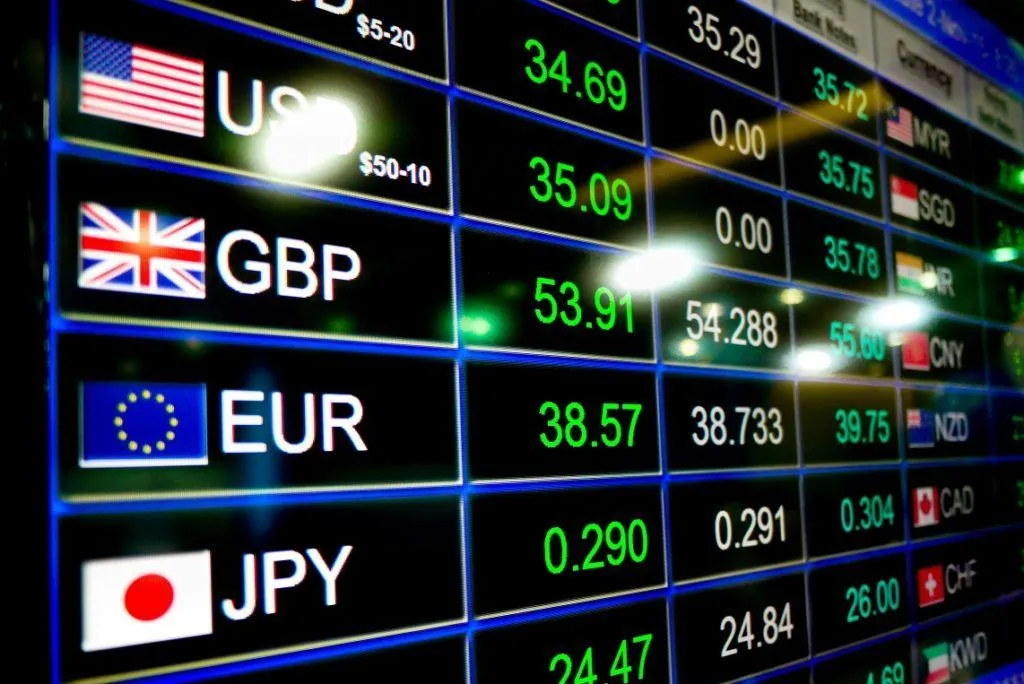
n Forex trading, the spread is the difference between the bid price and the ask price of a
currency pair.
• Bid price: The price at which a broker is willing to buy a currency pair from you.
• Ask price: The price at which a broker is willing to sell a currency pair to you.
The spread is essentially how brokers make their money, especially in commission-free
trading accounts. Instead of charging a fee per trade, they profit from the difference
between what you buy and sell for.
Why Does the Spread Matter?
Every time you open a trade, you are starting at a slight loss equal to the spread. So, the
narrower the spread, the sooner your trade can become profitable.
Let’s look at an example:
• EUR/USD Bid Price: 1.1050
• EUR/USD Ask Price: 1.1052
• Spread: 2 pips
This means that if you buy at 1.1052, the market must move at least 2 pips in your favor for you
to break even. So, understanding and managing the spread is essential if you want to make
consistent profits.
Types of Spreads in Forex Trading
There are two main types of spreads:
Fixed Spreads
These stay constant, even when market volatility increases. They are common with market
maker brokers and are often higher to compensate for their Consistency.
Pros:
• Predictable cost
• Useful during major news events
Cons:
• Usually wider than variable spreads
• May include hidden broker fees
Variable (Floating) Spreads
These change based on market conditions and liquidity. During times of high volatility (such
as news releases), the spread can widen significantly.
Pros:
• Often lower during normal trading
• Reflect real-time market liquidity
Cons:
• Can widen Without warning
• May increase risk during major events
What Affects the Spread?
Several factors can impact the spread in Forex trading:
Currency Pair
Major pairs like EUR/USD or USD/JPY usually have lower spreads due to high liquidity. Exotic
pairs (e.g., USD/TRY) tend to have higher spreads due to lower trading volume.
Market Volatility
Spreads often increase during big news or fast market changes because brokers adjust to the
quick shift in buying and selling.
Time of Day
Forex markets are more active during the London and New York sessions, often resulting in
tighter spreads. During low-activity periods, like late Asian sessions, spreads may widen.
Broker Type
Different brokers (STP, ECN, or Market Maker) offer different pricing models. ECN brokers
usually offer variable spreads with a small commission, while market makers might offer fixed
spreads.
How to Calculate the Spread in Forex
Spread is usually measured in pips, which is the smallest unit of price movement in a
currency pair.
Formula:
Spread (in pips) = Ask Price – Bid Price
Example:
• Bid: 1.3000
• Ask: 1.3002
• Spread = 0.0002 = 2 pips
Some brokers also show the spread in pipettes (1/10 of a pip), especially for tight spreads like
0.5 pip.
How Does the Spread Affect Your Trading?
1. Cost of Entry: The spread is your initial cost when you enter a trade. The wider it is, the
more the market must move in your favor before you can profit
.2. Scalping and Day Trading: Traders who open and close trades quickly need to watch
spreads closely, because high spreads can reduce their profits.
3. News Trading: Be cautious when trading during major economic releases. Spreads can
widen dramatically, which may trigger stop-losses or cause slippage.
How to Minimize the Impact of Spreads
Here are a few practical tips to reduce the cost of spreads in your trading:
• Trade major currency pairs with high liquidity and lower spreads.
• Trade during low-volume hours or major news releases only if you have enough
experience.
• Choose a broker with competitive spreads—ideally one that is transparent about
pricing.
• Use ECN or STP brokers if you prefer variable spreads and lower costs during peak
times.
• Monitor your trade size—the spread cost increases with larger lots.
Spread vs. Commission: Which Is Better?
Some brokers offer zero-spread accounts but charge a commission per trade. Others offer
spread-only accounts with no extra charges.
If you’re trading frequently, you may want to compare both:
• Low Spread + Commission = Good for scalpers
• Spread Only = Good for beginners or low-frequency traders
Always calculate your true cost per trade to find what suits your trading style.
Advanced Strategies for Managing Spreads
Once you understand the basics of spreads, you can use this knowledge to improve your
trading strategies. Here are some advanced ways traders manage spreads to gain an edge:
Timing Your Trades
Knowing when to trade is crucial. The Forex market has different activity levels during the
day, and spreads fluctuate accordingly. The tightest spreads usually happen during the
London and New York trading sessions when liquidity is highest. If possible, try to open and
close trades during these peak hours to reduce costs.
Using Limit Orders Instead of Market Orders
Market orders execute immediately at the current price, which means you pay the spread
right away. Limit orders, however, allow you to specify the price you want to buy or sell at.
This can help you avoid paying a wider spread during volatile periods and improve your
entry and exit prices.
3. Avoid Trading Around Major News Events
High-impact news releases often cause spreads to widen significantly, which increases
trading costs and risk. If you’re new to news trading, avoid opening trades during these times
or wait until the spreads get smaller.
Choose the Right Broker and Account Type
Some brokers offer different account types with varying spreads and commissions. For
example, ECN accounts typically provide lower spreads but charge a commission per trade.
Market maker accounts may offer fixed spreads but generally higher costs. Choose an
account type that fits your trading style and strategy.
How Spreads Influence Different Trading Styles
The impact of spreads differs depending on your trading style:
• Scalpers who open and close trades within seconds or minutes rely heavily on tight
spreads. Even a small spread can eat into their profits quickly, so low-spread brokers
and ECN accounts are usually preferred.
• Day traders hold trades for hours and prefer tight spreads but can handle slightly
higher ones due to larger profit goals.
• Swing traders and position traders, who hold trades for days or weeks, are less
affected by spreads because their profit targets are much larger. However, they still
need to consider spreads, especially when opening and closing large positions.
Common Spread Myths Debunked
There are some misconceptions around spreads that beginners should be aware of:
• Myth: Lower spreads always mean better trading conditions.
• While tight spreads reduce costs, they often come with commissions or other fees.
Always consider the total cost of trading, not just the spread.
• Myth: Fixed spreads are better because they never change.
• Fixed spreads help during volatile markets, but they are usually higher than variable
spreads when the market is calm. Variable spreads usually offer better pricing when
the market is calm.
• Myth: All brokers offer similar spreads.
• Spreads vary widely among brokers depending on their business model, liquidity
providers, and account types. Always compare spreads across brokers before opening
an account.
How to Compare Brokers Based on Spreads
When choosing a Forex broker, spreads should be one of the key factors in your decision.
Here’s how to compare effectively:
• Look at spreads on major currency pairs (e.g., EUR/USD, GBP/USD). These pairs
typically have the tightest spreads and highest liquidity.
• Check the spreads during different market sessions to see how they change during
your preferred trading hours.
• Consider both spread and commission costs for a full picture of trading expenses.• Read reviews and ask other traders about their real experiences with broker spreads.
• Test with a demo account to observe spreads in real-time without risking money.
The Role of Technology in Spread Management
Advancements in trading technology have helped reduce spreads and improve trading
conditions. High-frequency trading, algorithmic execution, and better liquidity aggregation
mean many traders enjoy tighter spreads than ever before.
Many brokers connect traders directly to the interbank market using ECN platforms, offering
low spreads and minimal extra fees. This transparency benefits traders who want the best
prices.
Summary: Why Spreads Should Never Be Overlooked
Understanding and managing spreads is crucial for every Forex trader. They directly affect
your trade costs, profit potential, and overall success. Here’s a quick recap:
• The spread is the difference between the bid and ask prices.
• Brokers set spreads as fixed or variable based on market conditions.
• Factors like currency pair, volatility, time of day, and broker type influence spreads.
• Managing spreads includes choosing the right broker, timing trades, and using proper
order types.
• Different trading styles experience spreads differently, so adapt your strategy
accordingly.
Mastering spreads helps you cut trading costs, avoid surprises, and earn steady profits.
Conclusion
In Forex trading, the spread is more than just a number—it’s a key factor that directly affects
your bottom line. Whether you’re a beginner or a seasoned trader, understanding how
spreads work can help you:
• Make smarter entry and exit decisions
• Choose better brokers
• Control your trading costs
• Improve your overall Ability to make money
By mastering this fundamental concept, you’re one step closer to becoming a more skilled
and confident Forex trader.