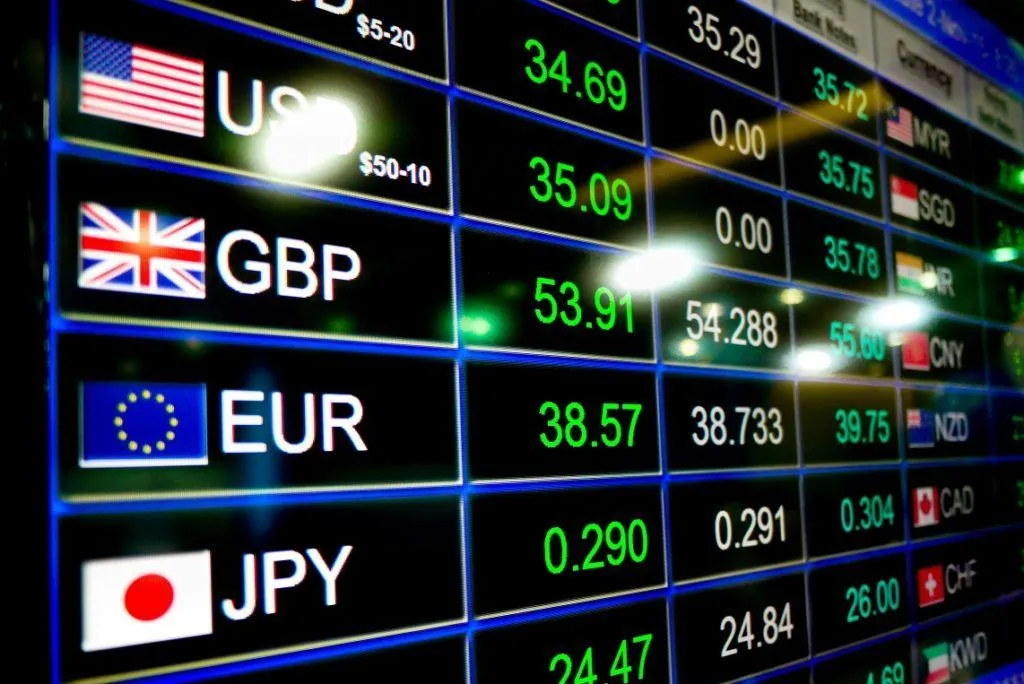
Over the years, the debate has been filled with considerable speculation as to why trading in financial markets is considered by many people to be nothing more than a version of betting. As much as these two activities involve risk and probably profit or loss, they are vastly different in terms of strategies, skills, and management of risk. Those wishing to enter financial markets responsibly will need to know the difference between trading and betting. This paper will discuss if trading is safer than betting, the differences that exist between both, and what mindset is necessary to trade like a professional.
What is Trading?
Trading refers to the act of buying and selling financial assets, such as stocks, forex, commodities, or cryptocurrencies with the intention of earning a profit. Unlike betting, trading is founded on the basis of analysis of the markets, economic data, and smart decision-making. Professional traders base their predictions about price movements by using fundamental and technical analysis before executing trades, based on researched probabilities rather than pure luck.
This will include day trading, which positions are opened and closed in one day, or swing trading where positions are maintained for a couple of days to weeks, while taking advantage of the trends existing in the markets. Irrespective of which method is followed, effective trading depends on the ability to keep discipline, understand risk management, and be learning all the time to refine decision-making processes.
What Is Betting?
Betting, or gambling, is the act of staking money on an uncertain event with the hope of winning a reward. The most common forms of betting include sports betting, casino games, and lotteries. Unlike trading, where market analysis and strategy play a crucial role, betting is primarily based on luck, chance, and probabilities set by bookmakers or casinos.
Some professional gamblers use statistics and strategies to bet. This way, even if the house or bookmaker always maintains a mathematical edge, over some timeframe, the bulk of the players will have lost more often than they won. That is one strong reason why betting is considered an activity that entails a lot of risk and few opportunities for stable, long-term winnings.
Trading vs. Betting
1. Skill vs. Luck
The main difference, however, between trading and betting is the role of ability as opposed to luck. In trading, it depends on real research, analysis, and the ability to understand market trends. Over time, traders can improve their skills in handling trades, learning from past mistakes and refining the strategies. Betting, on the other hand, is based considerably on chance as there are very little opportunities to have control or predict the outcome.
2. Risk Management
In trading, it is a fundamental concept to manage risk. The traders use tools such as stop-loss orders, position sizing, and diversification to reduce potential losses. The act of betting almost always is in relation to a fixed amount of money; there is no protection or risk management involved. Once a bet is placed, there is no way to mitigate losses when an unfavorable outcome is realized.
3. Probability and Expected Returns
Probabilities are derived from market data, technical indicators, and fundamental analysis, which help traders make the right decisions. Though the outcomes of trading cannot be certain, the better decision can increase the chances of a successful outcome. Betting, however, is on the side of the house or bookmaker. That is to say, on average, a bettor loses money in the long run.
4. Long-Term vs. Short-Term Approach
Trading, in long-term investment or swing trading, helps the investor accumulate wealth over time as the returns are compounded. The investors and traders can gain by capital appreciation, dividends, and interest. However, betting is a short-term activity, which determines the result immediately. So, it never gives an opportunity for long-term financial growth.
5. Regulation and Market Efficiency
Financial markets are highly regulated by organizations like Financial Service commission FSC and securities & commodities authority SCA. This regulation ensures transparency, fairness, and investor protection. Betting, however, is controlled by casinos and bookmakers, where the odds are designed in favor of the house, and regulations are mainly concerned with responsible gambling rather than making sure participants make long-term profitability.
Is Trading Safer Than Betting
Trading is riskier than betting, but much safer in that it depends on research, risk management, and strategic decision-making. A trader can set a stop-loss order to minimize possible losses and distribute his or her portfolio among several assets to limit the exposure of risk. Experienced traders can also create an edge by continuous learning and data analysis, whereas gamblers have little control over the odds.
However, there is always the risk of trading. Many traders enter the market without proper knowledge and lose money due to emotional decision-making or poor risk management. The safest way to trade is through education, discipline, and the management of risk.
Conclusion
Even though trading and betting might seem almost similar on the surface because they involve risk, they are entirely different activities. Trading is built on analysis, strategy, and risk management, whereas betting depends mainly on luck and the bookmaker’s assigned probabilities. It is very important that those wishing to engage in financial markets responsibly, learn to differentiate between trading and betting because, although trading is much safer than betting, when done properly, it also boasts risks that require proper management. In the end, only those who spend time developing trading skills and follow a disciplined approach can build a more sustainable path to financial success.
Sign up now to start trading and gain access to real-time market insights, advanced trading tools, and expert analysis to enhance your investment journey!