Investing in financial markets has virtually limitless potential, but this potential is associated with colossal risks. Regardless of the type of market you are trading in, whether in stocks, forex or commodities, risk management forms part of your plan. Risk Management for the Trader is an invaluable guide that will provide you with the information you need to begin managing and eliminating risk, ensuring future profitability.
Understanding Risk Tolerance for Traders
Before you go into trade, it is very important for you to consider your acceptable level of risk. These are the risks that won’t bother you so much in cases where you might lose large sums of money. Those are such as your wealth situation, trading targets, emotional level, among others that can influence it. All this is well understood if you will not make trade plans that work against some limits set in your danger threshold.
Establishing Traders Risk-Reward Ratio
One of the most effective trading management strategies is having a clear risk-reward ratio. The ratio will define the potential reward per dollar risked. A 1:3 ratio, for example, is risking $1 to gain potentially $3. Sticking to a favorable risk-reward ratio means that even though some trades will be lost, your profitability will remain intact.
Stop-Loss and Take-Profit Orders
For traders the risk management tools are available in a trade. A stop-loss order automatically closes your position if the trade reaches its level of loss. Conversely, the take-profit orders safeguard the profit when it achieves its specified profit point. All this is done at no human intervention, that eliminates all emotional decisions with control at any volatile market trend.
Portfolio Diversification
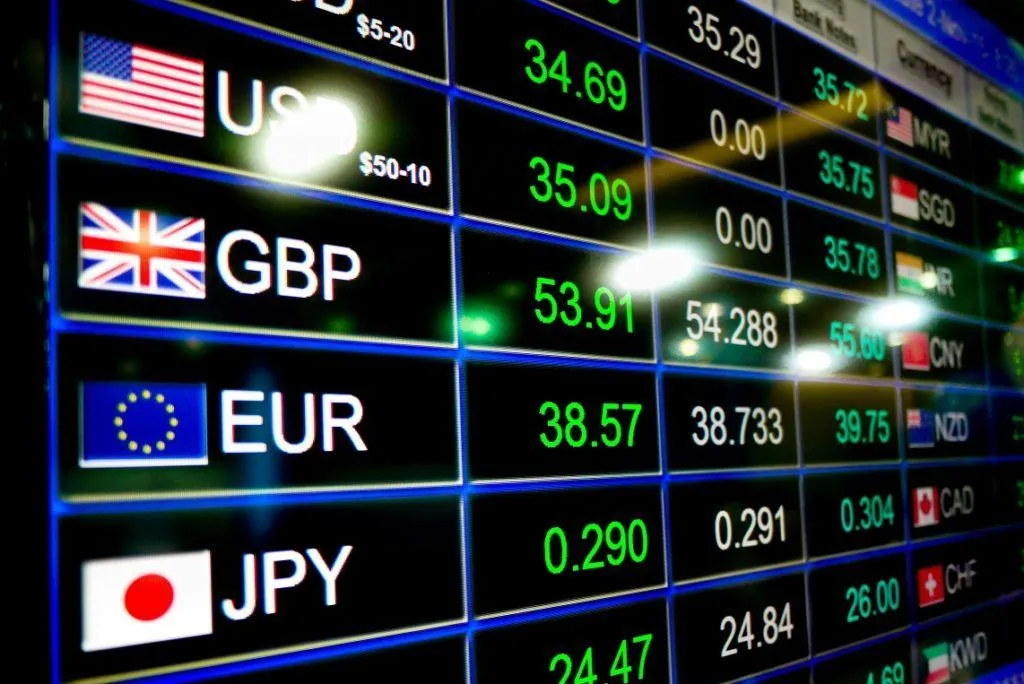
Diversification is one of the main principles of Forex Risk Management Tips and, in general, trading. Instead of concentrating all your capital on a single trade or asset, spread your investments across different markets, assets, or strategies. In the case of forex trading, this might mean trading multiple currency pairs to reduce exposure to any one pair’s performance. Diversification helps balance potential losses and gains across your portfolio.
Managing Position Sizes
Position sizing plays a crucial role in effective risk management. A common rule of thumb is to risk no more than 1-2% of your total trading capital on a single trade. For example, if your account has $10,000, limit your risk to $100-$200 per trade. This practice prevents large losses from eroding your account, even during losing streaks.
Staying Updated on Market Conditions
Market conditions may change in the blink of an eye, especially for forex and commodities trading. Economic news, geopolitical events, and central bank decisions are all critical to trading management strategies. Use tools like economic calendars and real-time news alerts to predict what might happen in the market and change your trades appropriately.
Don’t Overtrade
Overtrading tends to be caused by greed and wanting to recover losses and typically results in overreaching and emotional decisions. Focus more on executing well-researched trades and sticking to the trade plan. Quality over quantity is your mantra in trading.
Use of Risk Management Tools for Traders
Incorporate reliable risk management tools for traders into your strategies. Use risk calculators to determine the proper position size for your trades. Built-in risk analysis features on charting platforms can also help you recognize potential entry and exit points. Another way to adjust in your strategy is by maintaining a trading journal, so you know your performance.
Every trader has losses, though it is the ability of the successful trader to gain from such mistakes. As such, it is proper to take time to research what may have gone wrong in your trades. Keep all your decisions, outcomes and lessons well documented in an appropriate trading journal. With much time, you will tend to learn from your error and correct it.
Living with Emotional Discipline
Even the best risk management plan will not help if impulsive decisions are made through fear and greed. Emotional discipline is a requirement for long-term success. Adhere to your trading plan, avoid chasing losses, and take regular breaks to keep a clear mind. Mindfulness techniques can also help you stay calm and focused during stressful market situations.
Conclusion
Effective risk management for the trader is not about simply limiting losses but rather achieving sustainable growth. Understand your risk tolerance, utilize proper tools, and keep an emotional check on yourself as you navigate the complex and challenging world of trading with confidence. Start trading today to build a robust foundation for long-term success in the financial markets.