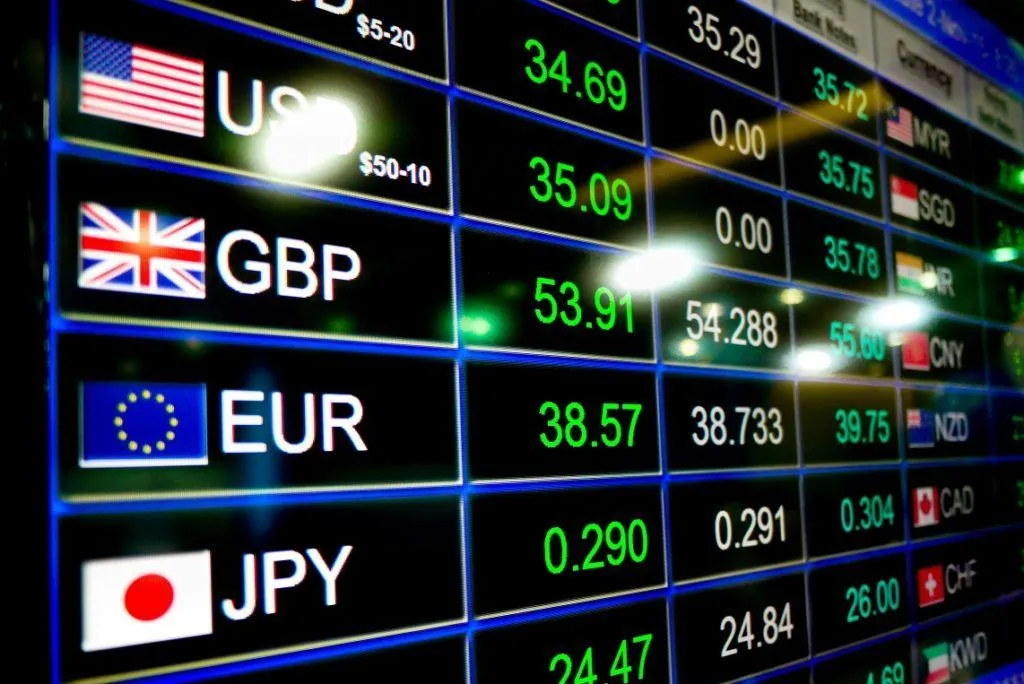
The foreign exchange markets, also referred to as the Forex markets, are the biggest and most liquid financial markets around the world. Trading is performed at more than $7 trillion per day in this market. While it is different from stock trading since it involves buying and selling shares of publicly listed companies, Forex trading involves the exchange of currencies. Traders profit from speculations about the fluctuations in exchange rates of currencies. Indeed, such a possibility of gaining huge returns is extremely alluring, but getting money from the Forex market requires a proper understanding of its benefits and inherent risks.
Currency Market Opportunities
It can boast one of the most liquid features because the Forex market distinguishes other financial markets with the possibility of delaying transactions due to low trading volume: such a market operates 24 hours a day in any major financial hub like New York, London, Tokyo, and Sydney. And thus, continuous activity leads to the possibility of huge deal executions without strong influences on the price, which in turn makes it very easy to enter and then leave trades.
Another key benefit that Forex offers is leverage. Through this means, one can control higher positions using relatively minimal amounts of capital. For instance, when the leverage ratio is 100:1, then with a sum of only $1,000, you would be able to make trades with an equivalent amount of currency of $100,000. This would thereby serve to multiply possible earnings from trades. However, whereas leverage can multiply gains, it can multiply losses too, and therefore it represents an area of fundamental risk management to successful trading.
Forex trading also offers various trading opportunities. For example, a trader can choose major currency pairs like EUR/USD or USD/JPY, which are relatively more stable, or choose exotic pairs involving currencies of emerging markets. This enables the traders to use various strategies according to their risk tolerance and market outlook. Forex trading penances also offer advanced tools such as technical indicators and automated trading systems, which enhance the trading experience.
The Role of MT5 and Trading Platforms
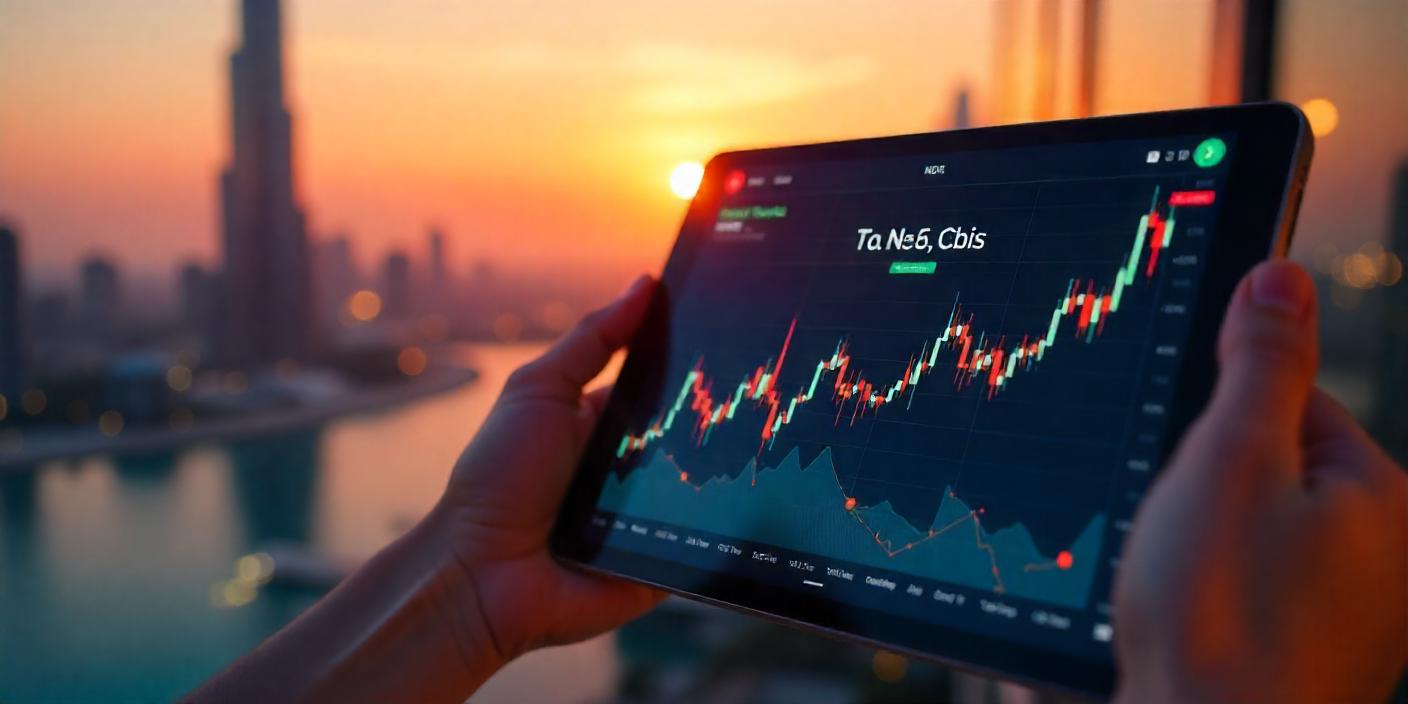
One of the most important elements affecting Forex trading involves the platform to be used in trading. Of all the presented platforms, the most popular and universal is MetaTrader 5 (MT5). This service provides enhanced trading instruments which in essence include Multiple charting types, more than eighty preinstalled technical indicators, and instant deeper market analysis. MT5 offers trading in various trading instruments, the primary ones being forex, stocks, and commodities, so whichever portfolio a trader prefers, they are sorted.
In addition, it offers tools such as Trading with Experts Advisers (TWEs), Online Chapters, Interfaces, Multiple Products & Service Offerings among others; speedy order completion to meet the needs of both newcomer and professional trader. Apart from that, the cross-platform operation of the trading platform, including the operation on the desktop, Web, and mobile versions, also facilitates the goal of staying always connected to the market.
Risks of Forex Trading
Forex trading, despite all its opportunities, is huge and comes with enormous risk. One of the greatest obvious challenges is market volatility. Unlike stock trading, while there is predictability, somewhat more predictable, both about corporate performance and market trends, but when it comes to price movement, a change in the value of currency literally occurs overnight for a million and one economic and political reasons. Reports on inflation, changes to interest rates, and political unrest can cause a shift in prices that result in losses.
Thus, leverage is both an advantage but also a double-edged sword. Many inexperienced traders tend to over-leverage, and capital can be eroded quite quickly if the market does not go their way. The relatively small adverse movement in the position will result in big losses so careful consideration of risk management techniques like placing stop-loss orders and maximum amount of capital at exposure to any one trade has become important.
The second challenge is that the Forex market is more complicated. Although crypto trading heavily relies on sentiment and speculation, Forex trading is based more on knowledge of macroeconomics. The Forex traders need to know the most updated global economic data, the changing policies of the central banks, and geopolitical changes affecting currency prices. This is much to handle for beginners and demands perpetual learning and analysis to outcompete the market.
Role of Trading Platforms
Despite all the opportunities that exist, Forex trading comes with enormous risks. One of the most apparent challenges is market volatility. While in stock trading price movements are relatively predictable and more predictable based on corporate performance and market trends, a change in currency value can literally occur overnight for a myriad of economic and geopolitical reasons.
The user-friendly interface is especially crucial for beginners who might not know much about complex trading tools. Fast execution speed is also important; if there are delays in executing orders, opportunities can be lost in a market where prices change in milliseconds. Security is also of utmost importance. Traders need to select regulated financial authority sites with high encryption technologies that secure funds and personal data.
Other platforms support both Forex and stock traders, hence giving a trader diversified investments in more asset classes. This implies an advantage to those interested in balancing the risks with their rewards in different markets.
Forex vs. Stock and Crypto Trading
Although all these Forex, stock, and cryptocurrency markets may give opportunities to earn some money, there are considerable differences between them. An important difference among them would be the hours of trade. Forex operates 24/5, with continuous availability of trade, while the availability of a stock market has fixed times of trade. The crypto trade is, however, available 24/7.
There are still several differences, such as the difference in liquidity. The Forex market is far more liquid than its stock and cryptocurrency counterparts. Such a high liquidity reduces risks like price manipulation and slippage. This means large trades can be executed immediately with good prices. Cryptocurrency markets tend to be a bit more volatile, therefore holding greater potential returns with increased risks compared to Forex and stock trading.
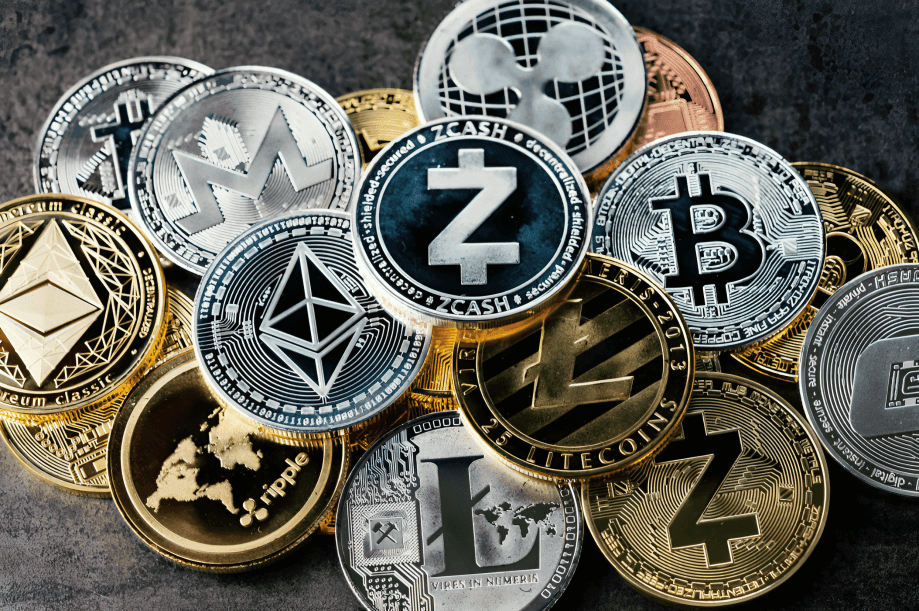
Each market varies due to its different level of risk appetite. Forex is essentially a deep knowledge play: economic indicators and technical analyses. Stock trading heavily tips on company-specific matters whereas crypto trading is relatively purely market sentiment and speculative playing. A trader should, therefore, choose the market that aligns with his financial goals, risk appetite, and level of expertise.
Conclusion
Currency markets are an excellent source of liquidity, leverage, and many other trading opportunities for traders, but such an opportunity comes with tremendous risk, volatility, and intricate dynamics of the market. A trader needs to understand the subtleties of the Forex market and take the right platform to succeed maximally. Even from your stock trading career and jumping into crypto, the Forex market offers an open and dynamic field of potential growth and diversification. With Trillium Financial Broker proper knowledge and tools, one can cruise this high-speed market for beneficial financial gains.