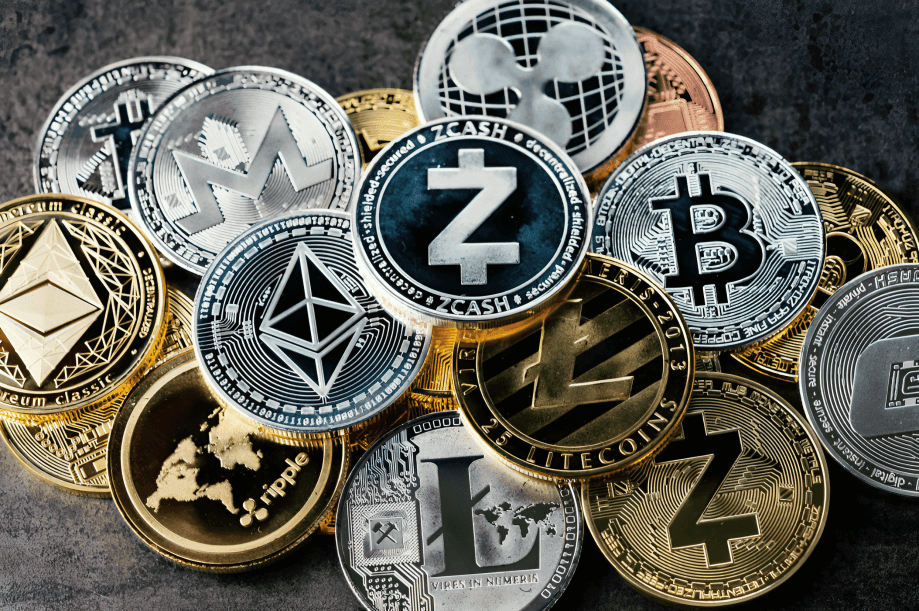
The Bitcoin to USD exchange rate is a dynamic measure affected by several financial, economic, and technological factors. Being the first decentralized digital currency in the world, Bitcoin is not subject to conventional financial institutions, so its valuation relies heavily on market forces and investor mood. In contrast to fiat currencies managed by central banks, the value of Bitcoin is determined by supply and demand, macroeconomic factors, institutional investment, regulatory frameworks, and innovation in blockchain technology. It is imperative that anyone within the crypto space, whether an amateur investor or a professional trader, understands these determinants.
Supply and Demand Dynamics
At the most basic level, the price of Bitcoin is determined by supply and demand. While fiat money can be printed in unlimited supply, Bitcoin’s supply is capped at 21 million coins. This is the underlying element of its value proposition. As demand for Bitcoin increases—whether because of increased adoption, institutional buyers, or macroeconomic uncertainty, the price movements of BTC to USD will typically favor a trend upward. Conversely, as holders liquidate their holdings or market sentiment damps down, the price falls. The interaction among buyers and sellers generates volatility, and hence, Bitcoin is a very volatile asset.
Market Sentiment and Speculation
Sentiment, news, and rumors heavily influence the price action of bitcoin. Good news, such as endorsement from celebrity figures, institutional investment from blue-chip companies, or technological advancements, will inspire positivity and increasing prices. Conversely, bad news, i.e., government raids, exchange breaches, or network weakness issues, might induce panic sales and decreasing prices. Speculation is another strong impetus, with investors applying historical trends, technical analysis, and external events to predict future price direction. The speculative force drives crypto market trends and makes Bitcoin the most volatile financial instrument.
Macroeconomic Factors and Global Events
Global economic conditions heavily influence the Bitcoin to USD exchange rate. When there is economic uncertainty, inflation, or geopolitical tensions, Bitcoin tends to be considered a hedge against conventional financial risks. For instance, during hyperinflation or bank crises, investors will rush to Bitcoin as a substitute store of value, causing its price to appreciate. Furthermore, monetary policy measures taken by central banks, e.g., raising interest rates or quantitative easing, influence the attractiveness of Bitcoin. As the US Federal Reserve becomes tighter with monetary policy, investors turn to traditional safe-haven investments like gold or bonds, making Bitcoin lose its value.
Institutional Investment and Corporate Adoption
The growth of institutional investment has played a major role in influencing BTC to USD price movements. When large financial institutions hedge funds, or listed companies invest in Bitcoin, it makes the asset legitimate and invites more investors. Tesla, MicroStrategy, and Square are some of the companies that have invested parts of their balance sheets in Bitcoin, which is an indicator of confidence in its long-term worth. Institutional adoption also offers greater liquidity, lessening extreme volatility while cementing Bitcoin’s status as a mainstream asset. Moreover, the introduction of Bitcoin exchange-traded funds (ETFs) enables more conventional investors to invest in Bitcoin, impacting market demand and price stability further.
Regulatory Developments and Government Policies
Government policies can either promote or discourage the growth of Bitcoin. Positive policies, legal recognition, tax benefits, and inclusion in financial infrastructure—can encourage investor confidence and enhance demand. Conversely, negative policies—bans, excessive taxation, or tight compliance—can discourage investors and deter Bitcoin prices. The US Securities and Exchange Commission (SEC), regulators in Europe, and Asian financial authorities often determine crypto market trends with their policy announcements. Regulators are keenly watched by investors to evaluate the potential threats and opportunities of the Bitcoin market.
Technological Advancements and Network Upgrades
Prices of Bitcoin are also influenced by advances and innovations in the technology sector of blockchain. Developments to the Bitcoin network, like scalability solutions, security patches, and improvement in transaction velocities, can enhance its usability and utilization. The Lightning Network, for instance, enables cheaper and faster Bitcoin payments, which can make it more practical for daily use. Further, advancements in decentralized finance (DeFi), smart contracts, and blockchain interoperability reinforce Bitcoin’s validity in the changing crypto landscape. The more advanced the technology supporting Bitcoin is, the stronger its perceived value and real-world applicability may become, affecting the exchange rate of Bitcoin to USD.
Mining and Halving Events
The supply of Bitcoin is regulated by a mechanism known as mining, in which high-powered computers verify transactions and lock the network. The Bitcoin protocol halves every four years, cutting the rewards to miners by 50%. This event decreases the rate at which new Bitcoin enters circulation, creating a supply shock. Historically, halving events have preceded major bull runs as reduced supply meets steady or increasing demand. The expectation of halving events tends to cause speculation, which affects Bitcoin price forecasting models and market mood long before the event takes place.
Market Liquidity and Trading Volume
Liquidity, or the ability to purchase or sell Bitcoin without substantially impacting its price, is important in determining the price fluctuations of BTC to USD. Increased liquidity creates a stable market, while decreased liquidity may cause extreme price fluctuations. The volume of trading on large exchanges, including Binance, Coinbase, and Kraken, influences Bitcoin’s short-term and long-term prices. A spike in volume tends to signal rising investor enthusiasm, while volume contraction can mean losing steam.
Influence of Other Cryptocurrencies and Market Trends
While Bitcoin is the leading crypto currency, the general crypto market can also affect its price. If other alternative cryptocurrencies (altcoins) see enormous increases in value, investors will divert their resources from Bitcoin, and its price will plateau or fall. Moreover, new blockchain technologies like Ethereum, Solana, or other emerging platforms can lead to competition for Bitcoin’s market share. Larger crypto market trends, such as the use of decentralized applications (dApps) and non-fungible tokens (NFTs), also have an impact on investor sentiment and Bitcoin’s position in the digital asset universe.
Conclusion
The exchange rate of Bitcoin to USD is determined by a multifaceted combination of factors such as supply and demand, sentiment, economic conditions, institutional adoption, regulatory environment, and technological developments. Whereas price volatility for BTC to USD is unavoidable, recognizing these core drivers of the market can equip investors with an educated choice. With Bitcoin set to continue growth and increasing broad-based acceptance, it will become more important for investors to keep themselves informed regarding trends in crypto markets and developments in the global finance sector when attempting to project future price movements. Volatility notwithstanding, one of the leading and most-followed assets within today’s finance scene is Bitcoin.
Log in to Trillium Financial Broker now to track Bitcoin prices, access expert insights, and stay ahead in the crypto market.