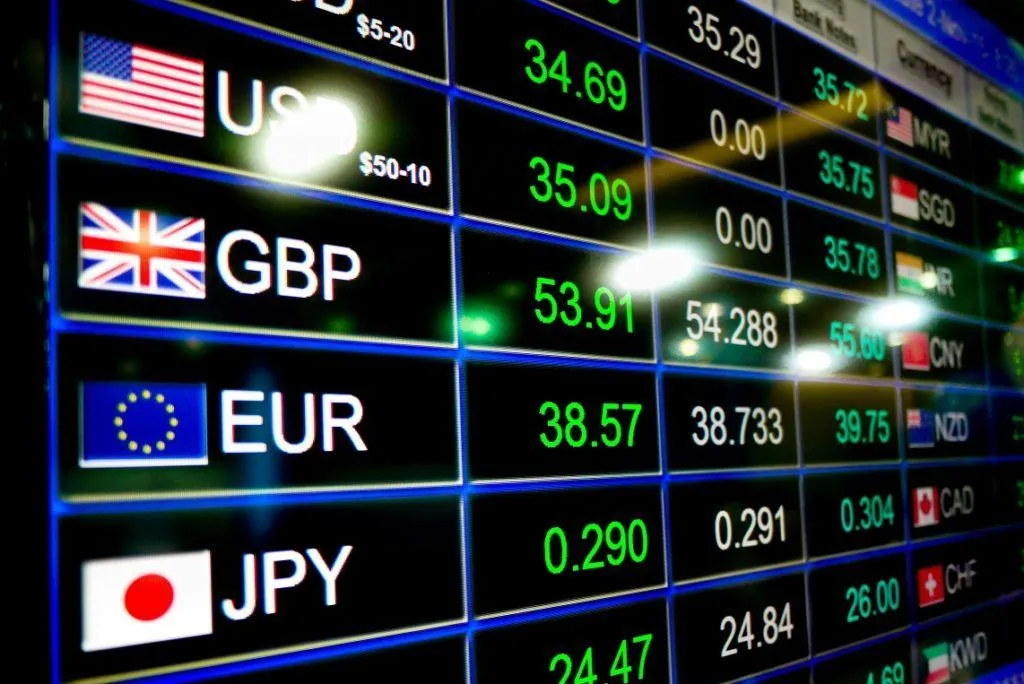
In the world of trading, recognizing the concept of “Bid Price” is crucial for anyone looking to effectively navigate the process of buying and selling. The bid amount is the maximum amount that a buyer agrees to pay for an asset at any return moment.
It is same as putting a piece of puzzle, when it comes to making an informed decision about when to buy, sell or keep. Whether you’re exploring the stock market or other assets, how bid works allows you to assess the market opinion. Having clear information about bid you’re not left in the dark. So, this article is for you.
What Is the Bid Price in the Stock Market?
The bid price in the stock market is the amount of money that a buyer is willing to pay for an asset, like a stock or commodity. Essentially, it represents the sky-scraping cost that a buyer is offering at any moment, and it plays an important role in the process of buying or selling. For example:
If you’re looking at a stock like tesla, and you see a price of $900, that means there’s a buyer who is ready to buy a stock at that price. On the other hand, the seller will be looking at the price that would be asked, which is about at what cost they are willing to sell it.
The price of bid helps establish the value of an asset in real-time condition of market and -it’s continuous Changning as a buyer or seller. In a live market, you could notice that bid price rise and fall every second. This back-and-forth between buyers and sellers is what keeps the market active.
Bid Price vs Ask Price: What’s the Difference?
The bid price and ask price are two important components of any market transaction, yet they show different respective in the process of buying and selling. The bid value is an amount which the buyer agrees to pay for an asset, on the other hand the ask price is amount at which the seller will sell it, it also known as “Offer Price”. Think of it like negotiating the purchase of a car.
The difference between these two prices is called spread-it reflects the gap between the willing price of buyers to pay and selling price at which seller agreed to sell. A larger spread could signal less liquidity or more volatility, which can affect how quickly a transaction is made. Understanding this dynamic helps traders to navigate the market more effectively, as it shows the true cost of buying or selling an asset at any given moment.
How the Bid Price Impacts Your Trades?
This plays a crucial role in shaping your decisions of buy and sell. Essentially, it’s the amount a buyer is willing to pay, so understanding it can guide your timing. If you’re looking to sell, you’ll want to keep an eye on the bid amount to see if it aligns with your target selling price. A higher bid value generally indicates a good time to sell, as buyers are eager to purchase at that rate.
A key tip for traders is to look at the bid-ask spread to display market resources. By staying ahead of the bid price, you can avoid overpaying or selling too soon, helping you make more informed and strategic decisions when entering or exiting a position.
How to Calculate Bid Amount: A Step-by-Step Approach
When it comes to trading, recognizing how to calculate the bid price can significantly enhance your decision-making process. Let’s break the process down into simple steps to make it easier to understand.
Identify the Bid Value in the Dynamic Market
The bid price is heavily influenced by the balance between supply and demand. When demand for an asset is high, the bid value tends to rise. Conversely, when there are fewer buyers, the bid amount may fall.
Identify Buyer Behavior
Traders often place bids based on the price they are willing to pay, aiming to get a good deal. The more buyers compete for the same asset, the bid price will go to skyscrapers.
Consider Market Orders
The bid price is the highest active price that a buyer is offering. If a trader submits a buy order at that price, they’ll likely secure the asset, assuming there’s a seller willing to sell at the same price.
Determine the Buyer’s Willingness to Pay for the Asset
Identify the Ask Price
Find the lowest price a seller is willing to accept for the asset.
Calculate the Spread
Deduct the bid price from the ask price: Spread = Ask Price – Bid Price.
Calculate as a Percentage (Optional)
You can also express the spread as a percentage of the ask price: Spread (%) = (Spread / Ask Price) * 100.
Example: If the ask price is $10,050 and the bid price is $10,000, the spread is $50, or 0.5%.
Final Thoughts
Understanding the bid price isn’t just about numbers—it’s about seeing where you are in the market. Whether you’re buying or selling, knowledge about how the bid works helps you time your moves more confidently.
Keep an eye on it, notice the patterns, and use that insight to make smarter, quicker decisions. At Trillium Financial Broker, we’re committed to helping you to stay confident and informed in every market moment.